Kathmandu
Description
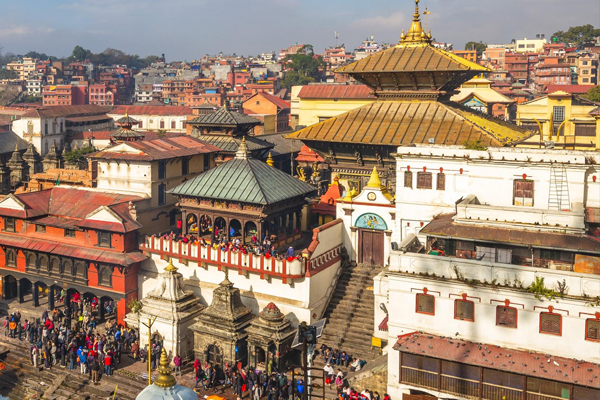
Kathmandu, the capital city of Nepal, is a living museum of history, culture, and spirituality. Nestled in a fertile valley at an altitude of about 1,400 meters, the city is home to ancient palaces, sacred temples, and vibrant streets that reflect more than 2,000 years of civilization. Kathmandu seamlessly blends Hindu and Buddhist traditions, making it one of the most culturally rich cities in South Asia.
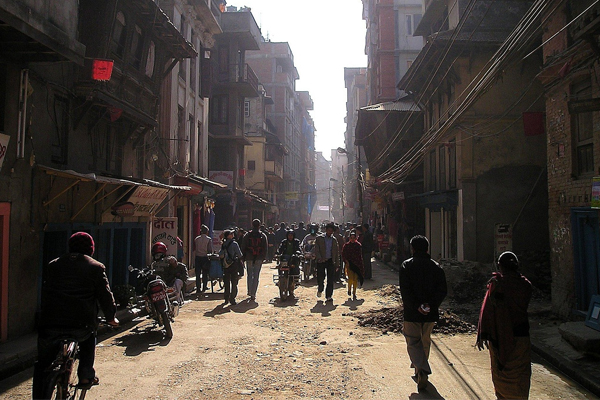
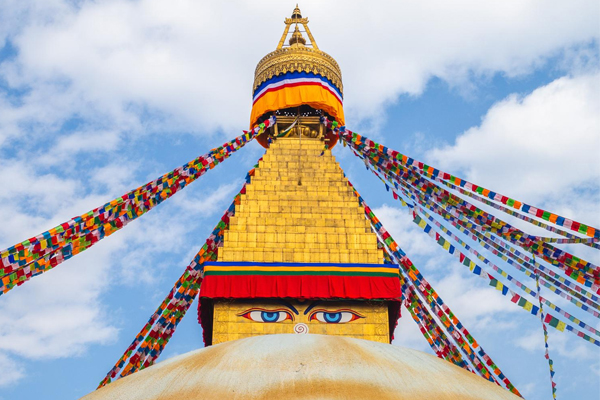
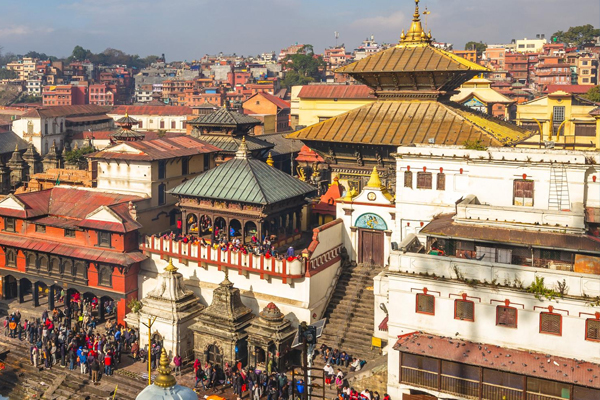
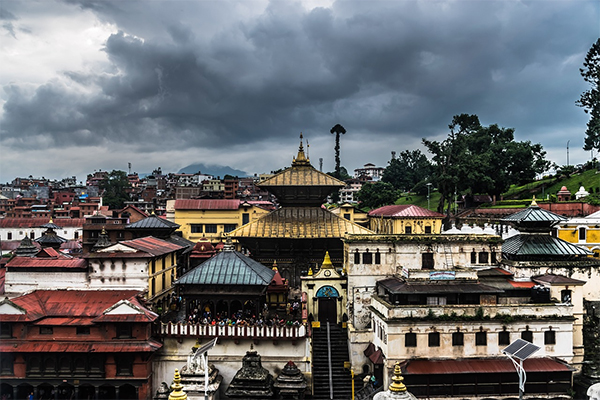
The city is famous for its UNESCO World Heritage Sites, including Pashupatinath Temple, Boudhanath Stupa, and the historic Durbar Squares. Prayer flags flutter above narrow alleys, incense fills the air, and daily rituals continue just as they have for centuries. Each monument tells a story of Nepal’s royal dynasties, artistry, and spiritual devotion.
Kathmandu is also the main gateway to Nepal’s Himalayan adventures, serving as the starting point for treks, tours, and expeditions across the country. Whether exploring heritage sites, tasting traditional Newari cuisine, or experiencing local festivals, Kathmandu offers travelers an immersive introduction to Nepal’s soul.
Packages
Kathmandu - Pokhara - Chitwan - Kathmandu Tour 7 Nights & 8 Days
- 8 Days
- 7 Nights
-
Starting From N/A
- View Details
Kathmandu - Pokhara - Lumbini - Chitwan - Kathmandu Tour 8 Nights & 9 Days
- 9 Days
- 8 Nights
-
Starting From N/A
- View Details
Information
| Country : | Nepal |
|---|---|
| Major Cities : | Kathmandu Valley includes Kathmandu, Lalitpur (Patan), and Bhaktapur. |
| Visa Requirements : | Most foreign nationals can obtain a Nepal Tourist Visa on arrival at Tribhuvan International Airport. |
| Languages Spoken : | Nepali is the main language, with Newari widely spoken and English commonly used in tourism. |
| Currency Used : | Nepalese Rupee (NPR) is the official currency. |
| Activities : | Cultural sightseeing, heritage tours, religious visits, food exploration, and shopping. |
| Best Time to Visit : | September–November and March–May offer pleasant weather and clear skies. |
| Health and Safety : | Kathmandu is low altitude with good hospitals, though travelers should follow basic hygiene and traffic safety. |
| Area (km2) : | Kathmandu Metropolitan City covers approximately 50.67 km². |
| Time Zone : | Nepal Standard Time (UTC +5:45). |
Gallery